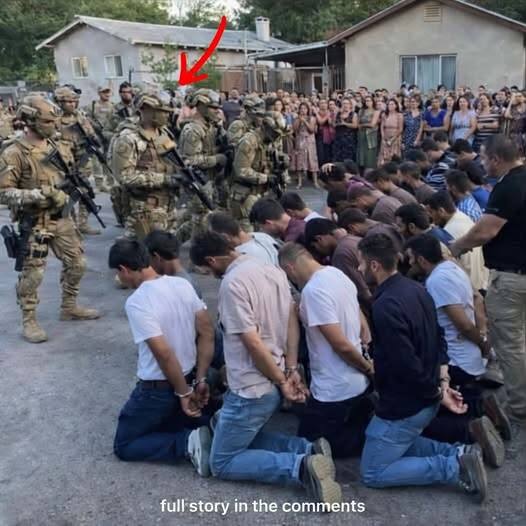
plain sight since the day the new neighbors moved in with their heavy suitcases and drawn blinds. The back-story had seemed so ordinary—families here had grown used to peaceful streets where children played outside and neighbors waved to one another while watering lawns. No one suspected that behind the closed doors of a few homes, a dangerous drug trafficking network had been operating quietly, bringing poison to families who lived nearby, exploiting the very trust that made this community feel like home.
The emotional bonds that held this neighborhood together were strong but fraying under the weight of unspoken fears. Parents worried about keeping their kids safe from influences they couldn’t always see—the parked cars that sat too long at corners, the strangers who came and went at odd hours, the silence that fell when certain doors opened. Neighbors relied on one another to look out for signs of trouble, yet the scale of the operation unfolding now showed how deeply the problem had been buried beneath layers of normalcy. When authorities confirmed the arrests were part of a long-planned crackdown on a regional trafficking network, the complication became clear: this wasn’t just a local problem, but a calculated enterprise that had chosen your neighborhood precisely because it looked safe, because no one would suspect the house with the basketball hoop in the driveway.