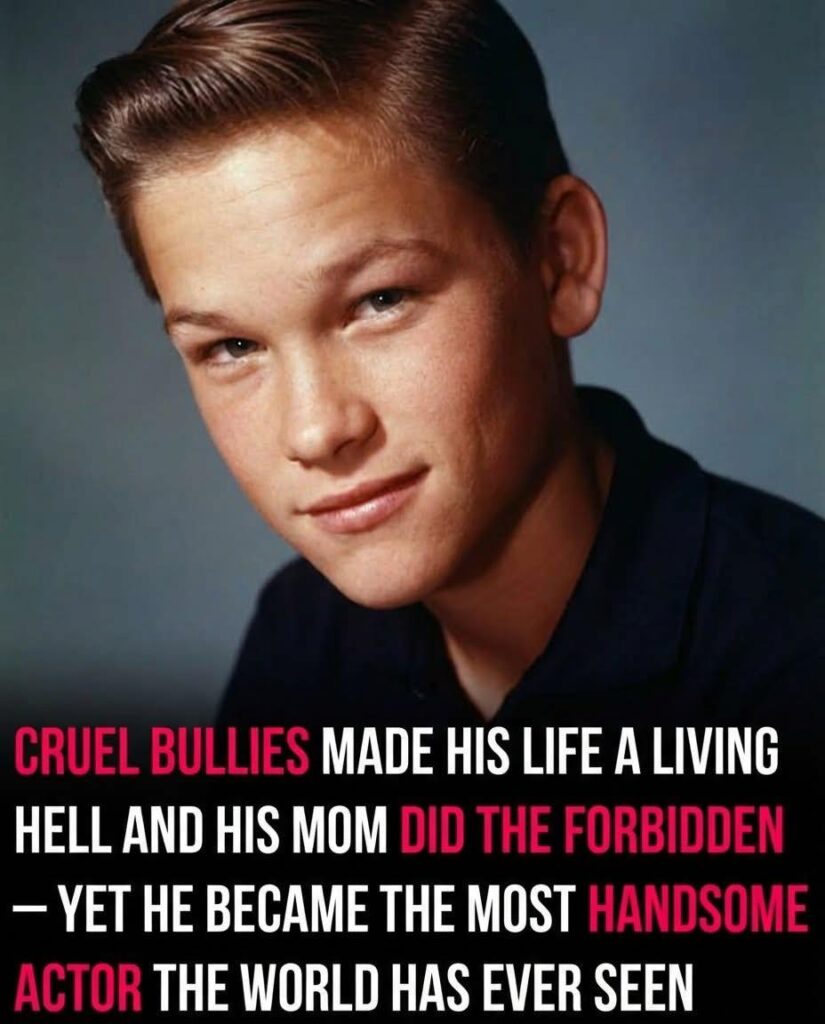
Patrick Swayze was born on August 18, 1952, in Houston, into a household where discipline and creativity were both present. His father worked as a draftsman, while his mother, Patsy Swayze, led the Houston Jazz Ballet Company and introduced him to dance early on. He grew up developing multiple skills—ballet, music, sports, and acting—without being limited to one path. Still, his interest in dance made him a target for ridicule during his school years, where difference was often met with resistance rather than understanding.
He did not step away from it. Instead, he leaned on the structure and expectations set at home. His mother encouraged him to hold his ground, not through confrontation, but through consistency. At one point, he aimed for a career in football, but a serious knee injury closed that path. Rather than holding onto what was no longer possible, he redirected his focus toward performance. In his early twenties, he moved to New York City to train more seriously, choosing a path that required both discipline and uncertainty.
His early work built gradually, without immediate recognition. That changed with Dirty Dancing, where his role as Johnny Castle brought him wide attention. The performance reflected not only skill, but a familiarity with the discipline behind it. Success followed quickly, along with the pressure that comes with it. Public attention tends to amplify both strength and struggle, and his personal life was not separate from that. He faced losses and periods of difficulty, but did not allow them to define the direction of his work.
Throughout these years, his marriage to Lisa Niemi remained a steady point in his life. He continued to take on varied roles, not simply to maintain success, but to continue developing within his craft. Later, after being diagnosed with a serious illness, he chose to keep working as long as he was able. Not as a statement, but as a continuation of what he had always done.
He passed away in 2009.
What remains is not only a list of roles or achievements, but a pattern in how he approached change—accepting what could not continue, and continuing with what could. Early hardship did not define him, but it did shape how he moved forward, with a kind of steadiness that did not rely on recognition to hold its value.