Watch Full video at the end.
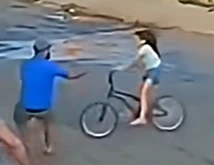
A quick-thinking young man stepped in during a dangerous moment on a neighborhood street, only to find himself facing a significant legal challenge afterward. Surveillance footage captured a 10-year-old girl riding her bicycle down a steep slope when the brakes suddenly failed. The bike gained speed rapidly, sending her directly toward a solid wall at the bottom of the hill with little chance to stop safely.
24-year-old Lucas witnessed the unfolding emergency. Without hesitation, he ran forward and pulled the girl off the moving bicycle just seconds before impact. His intervention prevented what could have been a far more severe collision. However, both sustained injuries in the process. The girl suffered a fractured arm from the sudden movement, while Lucas hurt his foot when the fallen bike landed on it.
The girl’s mother responded by filing a lawsuit against Lucas. She sought $500,000 in compensation, citing medical expenses and emotional damages. Her claim described his actions as a reckless rescue performed without professional training. According to her position, the intervention itself caused her daughter’s injuries rather than the failed brakes or the runaway bicycle.
This case has drawn attention to the delicate balance between helping others in emergencies and potential legal risks. Lucas maintained that he acted instinctively to protect the child from greater harm. His defense team argued that waiting or doing nothing would likely have resulted in the girl crashing directly into the wall, leading to much more serious consequences.
Video evidence played a central role in the developing story. The surveillance recording showed the bicycle accelerating uncontrollably and the girl’s clear loss of control. It also documented Lucas moving quickly to intervene at the critical moment. Legal experts noted that such footage often helps clarify intent and reasonableness in emergency situations.
The incident occurred in a residential area where children frequently ride bikes. Steep slopes combined with mechanical failures create genuine hazards that bystanders sometimes encounter. Lucas had no prior connection to the family and was simply in the right place at the right time to notice the danger.
Discussions around the lawsuit highlighted broader questions about Good Samaritan protections. Many jurisdictions have laws designed to shield individuals who offer reasonable assistance during emergencies from being held liable afterward. However, the application of these protections can vary depending on specific circumstances and interpretations of what counts as reasonable action.
The mother insisted that a trained professional should have handled the situation differently. Her legal representatives focused on the injuries that occurred during the rescue rather than the prevented harm. This perspective shifted attention from the life-saving aspect to the unintended physical contact and its results.
Lucas’s attorney emphasized the emergency context. With only seconds to decide, pulling the child from the bike represented the most practical option available to stop the momentum toward the wall. Delaying action or attempting a gentler approach might not have succeeded in time, potentially allowing a high-speed impact.
Public reactions to the story varied. Some expressed strong support for Lucas, viewing his actions as heroic and necessary. Others wondered about the boundaries of personal intervention, especially when children are involved. The case prompted conversations about how fear of lawsuits might discourage people from helping in future emergencies.
The financial stakes added significant pressure to the situation. A $500,000 claim represents a substantial burden for an average young person, covering not only medical costs but also claims for emotional distress. Legal proceedings in such matters can extend over months, creating ongoing stress even before any final decision.
Court reviews of similar cases often examine whether the rescuer acted with reasonable care under the circumstances. Factors include the urgency of the threat, available alternatives, and the overall outcome compared to what might have happened without intervention. In this instance, the wall collision appeared imminent based on the bicycle’s speed and direction.
This dispute serves as a reminder of the complexities surrounding spontaneous rescues. While most people hope to avoid such situations entirely, when they arise, quick decisions carry potential consequences. Documentation through video evidence has become increasingly valuable in establishing facts and protecting those who choose to act.
Neighborhood safety depends partly on community members looking out for one another. Yet stories like this one illustrate how good intentions can sometimes lead to unexpected legal entanglements. The presence of surveillance cameras in public and semi-public areas helps provide objective accounts that might otherwise rely solely on personal recollections.
As the case remains pending, both sides continue presenting their arguments. The defense stresses the life-protecting nature of the act, while the plaintiff focuses on the resulting injuries and lack of formal qualifications. Judges typically weigh these elements carefully, considering community standards for emergency responses.
The story has encouraged many to reflect on their own potential reactions in similar scenarios. Would hesitation to avoid legal risk allow preventable harm to occur? Or should individuals always defer to professionals, even when seconds matter? These questions lack simple answers and often depend on unique details of each event.
Lucas reportedly expressed that he would make the same choice again if faced with the situation. His primary concern at the time was preventing the girl from hitting the wall at high speed. The minor injuries that occurred seemed preferable to the alternative outcome he envisioned.
Legal observers following the matter noted that outcomes in reckless rescue claims can influence future bystander behavior. Favorable rulings for rescuers tend to reinforce community willingness to help, while decisions against them may contribute to hesitation among potential Good Samaritans.
The incident also underscores the importance of proper bicycle maintenance, particularly brakes on slopes used by children. Preventive measures such as regular checks could reduce the frequency of such runaway situations. Parents and guardians play a key role in ensuring equipment safety before allowing rides in challenging terrain.
For Lucas, the experience transformed an ordinary day into a prolonged legal process. The physical injury to his foot added personal impact beyond the stress of the lawsuit. Supporters have highlighted the unfairness of penalizing someone for attempting to protect a child in clear danger.
This type of case contributes to ongoing dialogue about liability reform and protections for helpful actions. Lawmakers in various places periodically review Good Samaritan statutes to ensure they effectively encourage assistance without creating excessive exposure to lawsuits. Clearer guidelines could benefit both potential rescuers and those they aim to help.
Community members who viewed the surveillance footage generally appreciated the speed and decisiveness of the intervention. The video showed the girl’s trajectory changing abruptly due to Lucas’s actions, averting direct contact with the wall. This visual record helped many form opinions about the reasonableness of his response.
As proceedings continue, attention remains on how the court will balance the prevented harm against the injuries that did occur. Medical records and expert testimonies regarding the fracture and foot injury will likely factor into any final determination. The emotional aspects raised by the mother also receive consideration in civil claims of this nature.
The situation illustrates how one brief moment of action can lead to extended consequences. What began as an instinctive effort to save a child evolved into a formal legal dispute involving substantial sums. Such stories remind everyone of the unpredictable nature of liability in everyday environments.
Parents naturally prioritize their children’s well-being and may seek accountability when injuries happen. At the same time, society benefits when individuals feel empowered to intervene positively during visible crises. Finding the right equilibrium remains an important goal for both legal systems and communities.
Lucas’s case continues to generate interest as it moves through the courts. The outcome could provide guidance for future similar incidents involving civilian rescues of children or others in immediate peril. Many hope for a resolution that recognizes the challenging split-second decisions rescuers often face.
In the meantime, the story encourages practical steps like maintaining equipment, teaching children safe riding practices, and supporting clear legal protections for those who help others. These measures can reduce both accidents and the disputes that sometimes follow them.
The young man’s willingness to act stands out as a positive example of community awareness. While the legal process unfolds, his initial response likely spared the girl from a much worse outcome against the wall. This context remains central to understanding the full picture of the incident.
Full video:

