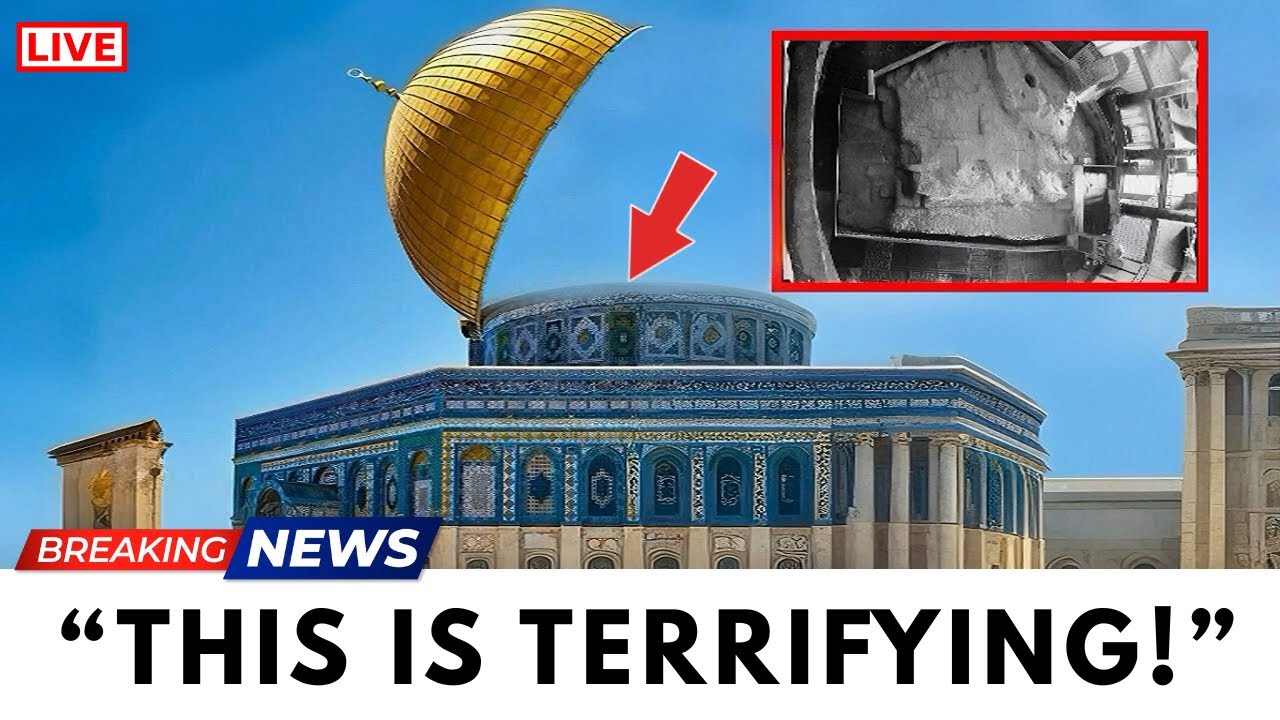
Unbelievable discoveries have emerged from beneath the Dome of the Rock in Jerusalem, revealing ancient chambers and tunnels that could confirm biblical accounts of the Temple’s existence. As archaeological findings challenge long-held beliefs, the implications for faith and history are profound, igniting debate among scholars and believers alike.
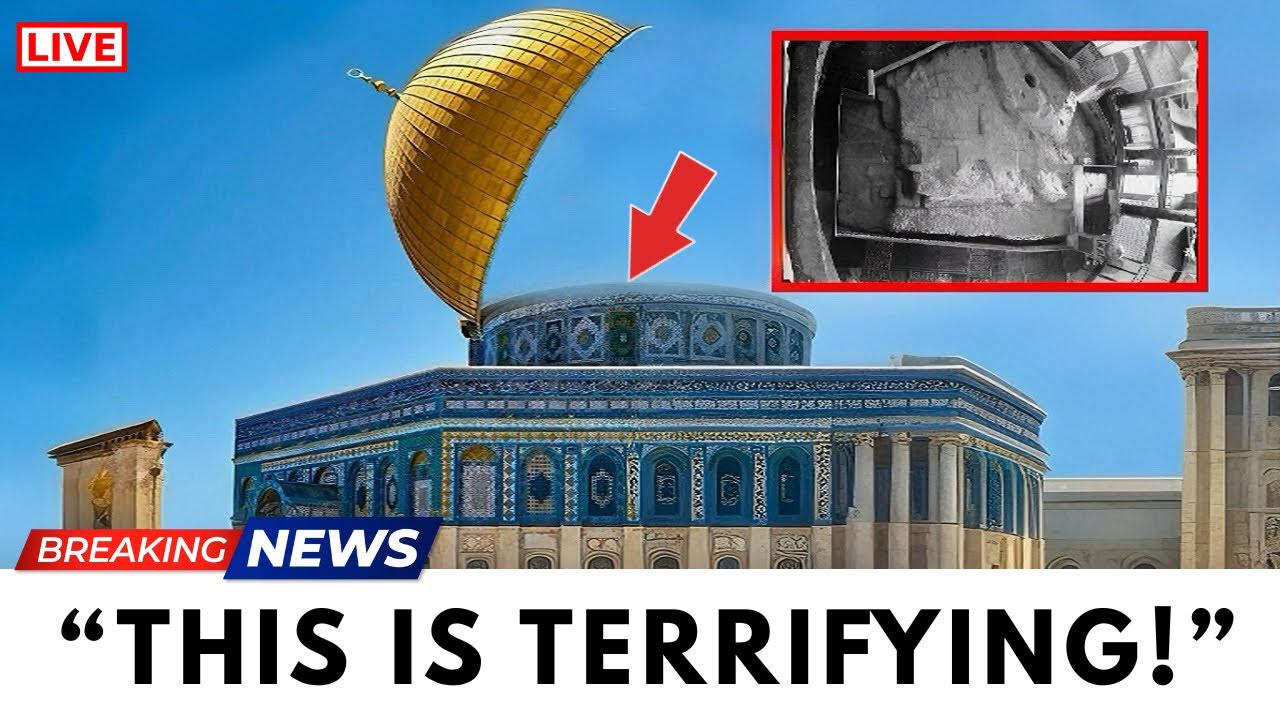 For centuries, the Temple Mount has been a focal point of religious significance, revered by Jews, Christians, and Muslims. Recent investigations suggest that what lies beneath this sacred site may hold the key to understanding its historical and spiritual importance. The Dome of the Rock, built in the late 7th century, covers a rock believed to be the foundation stone, a site deeply rooted in biblical tradition.
Archaeological access to the Temple Mount has been limited due to political and religious sensitivities. However, recent findings from historical records and small-scale excavations provide tantalizing clues about the area. Notably, explorers in the 1800s mapped secret tunnels and chambers that align with biblical descriptions of the first and second temples.

Among the most striking discoveries is the Warren Shaft, a vertical tunnel that may have been used by priests during temple rituals. This shaft connects to an intricate system of tunnels, suggesting a purposeful design consistent with ancient worship practices. The evidence points to a complex layout that matches descriptions found in biblical texts.
At the heart of the Dome of the Rock lies a natural cave, sometimes referred to as the “well of souls.” Speculation surrounds this chamber, with many wondering if it served as the inner sanctum of the temple or housed the Ark of the Covenant. The proximity of this cave to the presumed location of the Holy of Holies raises significant questions about its historical role.
Historical accounts from early Muslim writers also mention inscriptions and features that could date back to the time of Solomon’s Temple. As researchers attempt to align these findings with biblical dimensions, the evidence increasingly suggests that the temple’s foundational elements may still exist beneath modern Jerusalem.

Ground-penetrating radar and other advanced technologies are now being employed to uncover hidden spaces beneath the Dome of the Rock. Preliminary scans have indicated voids and chambers that correspond with the ancient temple’s layout, further fueling the excitement surrounding these discoveries.
While access to the full underground areas remains restricted, the findings thus far have provided a powerful affirmation of biblical narratives. The alignment of the Dome of the Rock with ancient gates, including the Golden Gate, adds another layer of intrigue to this already complex site.

As the world watches, these revelations challenge skeptics and affirm the faith of believers. The discoveries beneath the Dome of the Rock serve as a reminder of the enduring connection between archaeology and scripture. With each new finding, the narrative of Jerusalem’s sacred history grows richer and more compelling.
In a time when faith is often questioned, these archaeological breakthroughs stand as a testament to the truth of biblical accounts. The Temple Mount is not merely a historical site; it represents a future filled with promise and prophecy, echoing the words of Haggai 2:9 about the glory of the latter house.
The implications of these discoveries are far-reaching, inviting further exploration and discussion. As researchers continue to uncover the mysteries beneath one of the world’s most revered sites, the anticipation builds for what future findings may reveal about the ancient temple and its significance in today’s world.