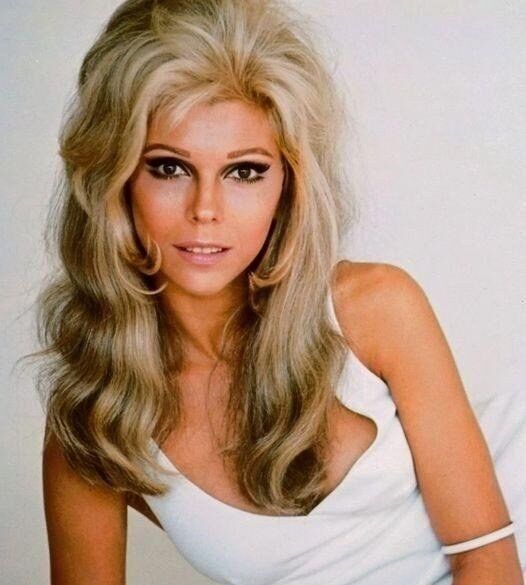
Nancy Sinatra, daughter of the legendary Frank Sinatra, has lived a life filled with music, glamour, reinvention, and resilience. Now 83 years old, she remains a living symbol of determination and strength—a woman who carved her own path despite being born into fame.
Growing up in a lavish home in New Jersey, Nancy was surrounded by the trappings of stardom from the very beginning. Her father’s fame brought adoration, but also chaos—fans constantly gathered near their house, and privacy was nearly impossible. But beyond all the glitter, Nancy was simply a young woman trying to find her own voice in a world that already expected greatness from her.
Despite her privileged upbringing, Nancy quickly realized that fame could be both a blessing and a burden. Her early attempts at a singing career were anything but smooth. Her first singles didn’t gain much attention, and whispers began to circulate through her father’s record label—perhaps she didn’t have what it took. Some even suggested that she was being kept on the label only because of her last name.
But Nancy was not someone who accepted failure easily. Instead of giving up, she reinvented herself. She underwent vocal training, determined to develop a richer, more distinctive tone. She also transformed her image—moving away from the polished, conventional look of the early ’60s to something bolder, more contemporary, and distinctly her own.
Her persistence paid off when she met songwriter and producer Lee Hazlewood. This collaboration would change everything. Hazlewood encouraged her to sing in a lower octave, helping her find the smoky, sultry sound that would define her career. He also helped refine her visual style, capturing the vibrant, swinging energy of London’s Carnaby Street scene.
Then came the song that made her a star—“These Boots Are Made for Walkin’.” Released in 1966, it became an instant hit and an anthem of female confidence and independence. With her signature go-go boots, mini skirts, and sharp attitude, Nancy Sinatra became the face of a new kind of woman—fearless, stylish, and unapologetically in control.
More hits followed, including “How Does That Grab You, Darlin’?” and “Sugar Town.” She also made her mark in Hollywood, starring alongside icons like Elvis Presley in Speedway and Peter Fonda in The Wild Angels. Each role and recording cemented her image as both a pop culture icon and a serious artist in her own right.
But fame is rarely steady. By the 1970s, Nancy chose to step away from the spotlight to focus on her family. She had married teen idol Tommy Sands early in her career, but the marriage ended in divorce. Later, she found happiness again with Hugh Lambert, a dancer and choreographer, with whom she had two daughters. Tragically, Hugh passed away from cancer in 1985, leaving Nancy widowed and heartbroken.
Yet, as she had done before, Nancy turned pain into strength. In 1995—at the age of 54—she surprised the world by releasing a new album and even posing for Playboy, challenging ageism and the idea that a woman’s allure or confidence should fade with time. She collaborated with rock icons like Bono and Morrissey, showing that her creativity and edge had not dulled one bit.