Posted in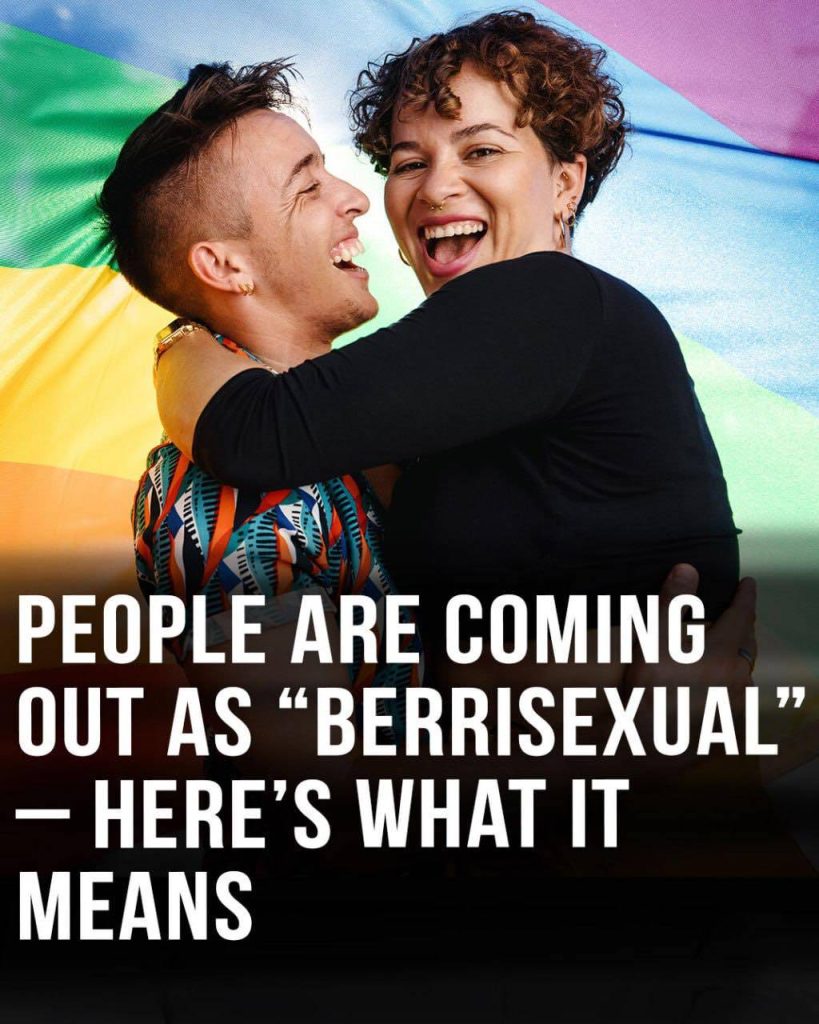
Posted bThe contemporary understanding of human attraction is undergoing a profound transformation, moving away from rigid binaries and simple, broad categorizations toward an embrace of fluidity, nuance, and specificity. Within this expanding paradigm, a growing segment of the population is discovering that established, generalized terms—such as bisexual (attraction to two or more genders) or pansexual (attraction regardless of gender)—do not always possess the linguistic resolution necessary to fully articulate the specific hierarchical or weighted ways they experience attraction. In this fertile space between the broad and the purely singular, a critical need for more granular language has driven the emergence of micro-labels. One such term that has begun to circulate extensively in identity-focused digital spaces is berrisexuality. For individuals who recognize this pattern in their own lives, the word often provides a deeply comforting and validating sense of finally achieving personal linguistic coherence.
🔍 Defining Berrisexuality: A Pattern of Preference and Capacity
Berrisexuality is defined as a sexual orientation describing an individual who maintains the capacity for attraction across the entire spectrum of human genders—meaning they are capable of being attracted to people of any gender identity or expression. However, this capacity is experienced alongside a distinct and recurring pattern: the most frequent, most intense, or most powerful emotional and physical pull tends to be directed toward women, feminine-presenting individuals, or those who present with a gentle, often androgynous style.