“A Mother’s Worst Call: The Last Day of Ashraf Habimana”.6338

Imagine sending your child to school with the ordinary worries of a parent, thinking about homework, lunch money, and whether they will remember their jacket.
Imagine expecting an afternoon pickup filled with complaints about classes and plans for dinner.Imagine instead being called to identify your child as his life ends on cold pavement.

That was the reality for the mother of Ashraf Habimana, a sixteen-year-old boy who should have been worrying about exams, friendships, and the future.He left for school like any other morning, carrying nothing more dangerous than the hope of making it through the day.
By nightfall, he would never come home again.
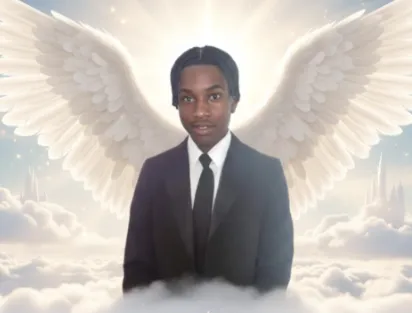
Ashraf was a twin, one of two lives that began together and were meant to grow side by side.He was known as gentle, polite, and careful, the kind of boy teachers trusted and friends relied on.
His family saw him as a child still learning the world, not someone prepared to face its worst cruelty.On the day he died, something went wrong at school.
It was described later as a fight, the kind of conflict that happens far too often among teenagers.
But this one did not end with detention or bruised pride.Ashraf felt the danger before it reached him.
He called his mother and begged her to come pick him up, his voice urgent and afraid.
That phone call would become the sound that haunted her forever.
She tried to get to him.
She believed she still had time.
No parent imagines that a plea for pickup is a farewell.

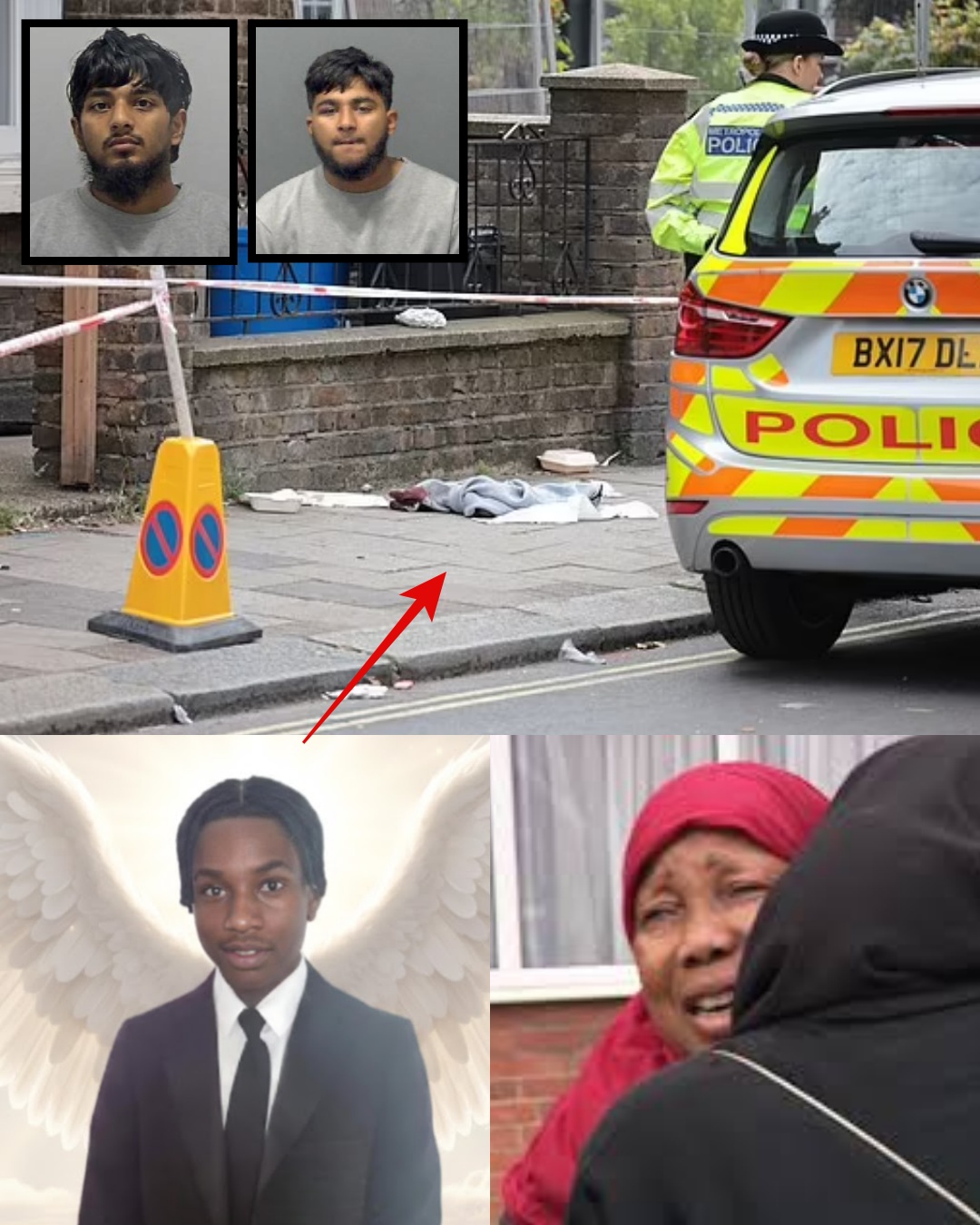
On September 29, 2023, Ashraf found himself in a car park, exposed and vulnerable.CCTV cameras silently recorded what humans would later struggle to comprehend.
The footage showed a boy who was not armed, not aggressive, and not looking for a fight.

He ran.His body moved on instinct, fueled by fear and the simple desire to live.
Every step was a plea without words.

Witnesses would later learn that he begged for his life.Those words, spoken in panic and terror, did not stop what came next.
They were swallowed by violence that had already chosen its course.

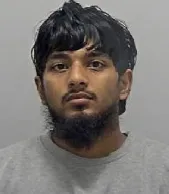
Athif Hussaindeen caught up with him.


In his hand was a “zombie knife,” designed not for defense, but for destruction.
It was a weapon no teenager should ever have had access to.

Ashraf tried to escape.


He turned his back, hoping distance might save him.
Instead, it made him more vulnerable.

Athif stabbed him three times in the back.
Each strike carried a finality that cannot be undone by regret or sentencing.


Each wound marked the end of a childhood.

Athif’s twin brother, Althaf, was there.
He did not stop the attack.
He helped make it happen.

The symmetry of twins, once a symbol of shared life, became a mirror of shared guilt.


Two brothers acted together, bound by blood and violence.
Another family’s child paid the price.

Ashraf collapsed in the street.
His body gave in where his will had refused to.


The boy who had begged to be picked up lay alone.

People passed.
Some froze, some shouted, some watched in horror.
The cameras kept recording, indifferent to human grief.

By the time Ashraf’s mother arrived, the scene had already changed forever.


Emergency lights flashed, voices blurred into noise, and strangers stood where her son should have been.
Her baby was gone.

She did not pick him up from school.
She was confronted instead with the unbearable sight of his body.


The zipper of a black bag closed where her arms should have been.

No parent is prepared for that moment.
There is no training, no warning, no language adequate to describe it.


It is a rupture that divides life into before and after.

Ashraf’s death rippled through his school.
Classrooms felt emptier, hallways quieter, laughter muted by shock.
Students struggled to understand how a school dispute could turn lethal.

Teachers mourned not just a student, but a failure to protect.
They replayed decisions, conversations, and warning signs in their minds.
None of it brought Ashraf back.

The community asked the same question again and again.


Why was a knife brought to a school conflict.
Why was violence chosen over walking away.

The term “zombie knife” entered public conversation with renewed urgency.
It symbolized a growing problem of extreme weapons in the hands of children.


Ashraf became one more name on a list that should not exist.

The trial laid out the facts with cold precision.
CCTV footage, witness statements, timelines, and forensic evidence replaced the warmth of memory.


Justice spoke in measured tones, far removed from a mother’s scream.

Both Athif and Althaf Hussaindeen were sentenced to twenty-four years in prison.
The courtroom heard the number as if it were an answer.


For Ashraf’s family, it was only a measurement of absence.

No sentence can rewind time.
No prison term can erase the image of a child dying alone.
No verdict can mend a mother’s broken future.

Ashraf will never graduate.
He will never grow older than sixteen.
He will never answer another call from his mother.

His twin bond was stolen from him, replaced by another set of twins bound to guilt.
Two lives destroyed one life, and in doing so damaged countless others.
Violence rarely ends with a single victim.

The story spread because people could not accept it.
A school fight should never end in murder.
A teenager should never die for being unarmed and afraid.

Parents held their children tighter after hearing Ashraf’s name.
They wondered what they would do if their child called in fear.
They wondered if they would arrive in time.

Ashraf’s mother lives with that question.
It follows her into every quiet room and every sleepless night.
It is a question without mercy.

She remembers the sound of his voice.
She remembers promising to come.
She remembers arriving too late.

Ashraf Habimana is remembered now not only as a victim, but as a warning.
A reminder of what happens when knives enter teenage conflicts.
A reminder that prevention must come before punishment.

Because twenty-four years in prison cannot undo the moment a black bag was zipped closed.
It cannot unbreak a mother’s heart.
And it cannot bring a sixteen-year-old boy back home.

“Man Accused of Abducting Teen Before Kills Her After Being Released on Bond”.6111
Leave a Reply

Your email address will not be published. Required fields are marked *